
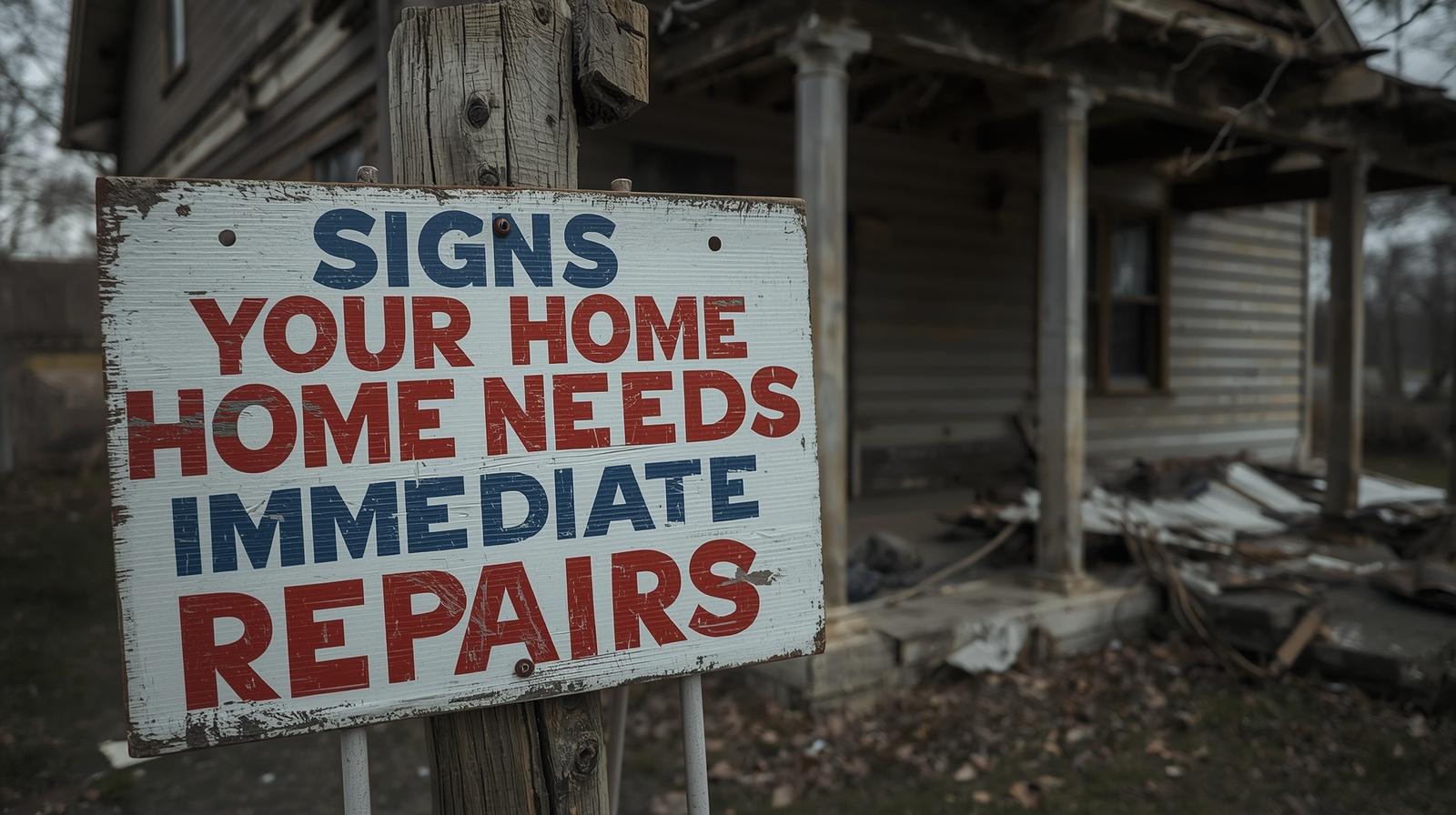
Every home sends signals when something is wrong. The challenge for many homeowners is recognizing which signs indicate a minor cosmetic issue and which ones point to a serious problem requiring immediate action. Ignoring warning signs almost always results in more extensive and expensive damage down the line. Learning to recognize the red flags can literally save your home and your finances.

The difference between a minor repair and a major renovation often comes down to timing. A small roof leak caught early might cost a few hundred dollars to fix. Left unaddressed for months, the same leak can rot the decking, damage insulation, ruin drywall, and foster mold growth, turning a simple fix into a repair costing tens of thousands of dollars. Vigilance and quick action are the most valuable tools a homeowner has.
Why Acting Quickly on Home Repairs Saves Money
Cracks in your foundation are among the most serious warning signs a home can display. While hairline cracks are relatively common and often minor, horizontal cracks in a foundation wall indicate serious pressure from the surrounding soil and require immediate professional evaluation. Stair-step cracks in brick or block foundations can signal settling or shifting. Doors and windows that suddenly become difficult to open or close may indicate foundation movement.

Inside the home, look for cracks running diagonally from the corners of doors and windows. These can indicate settling or structural movement. Sloping or uneven floors may point to problems with the subfloor, joists, or foundation. If you notice walls bowing inward or pulling away from the ceiling, these are urgent signs that professional structural assessment is needed immediately.
Structural Warning Signs That Demand Immediate Attention
Your roof protects everything beneath it, and roof problems must be addressed quickly to prevent water from penetrating your home’s interior. Look for missing, curling, or buckled shingles after severe weather. Dark stains or streaks on shingles often indicate algae growth or moisture problems. Sagging sections of the roof are a serious sign of structural damage beneath the surface.
From inside your attic, look for daylight coming through the roof boards, which clearly indicates holes or gaps. Water stains on attic insulation or sheathing confirm that water is getting in. Granules from asphalt shingles collecting in gutters indicate that your shingles are deteriorating and reaching the end of their lifespan. Any active water intrusion through the roof requires immediate professional attention.
Roof Damage Signs That Cannot Wait

Water stains on ceilings or walls are a sure sign that water is leaking somewhere it should not be. Brown or yellowish stains on ceilings indicate a slow, ongoing leak from the floor above or from the roof. Soft or spongy areas in floors near bathrooms or under sinks suggest water has been seeping into subfloor materials. Persistent musty odors in these areas often accompany hidden water damage and potential mold growth.
Low water pressure throughout the house can indicate a serious leak in the main supply line. Discolored or rusty water suggests corroded pipes that may be close to failure. Gurgling sounds from drains or toilets when you run water elsewhere in the house can indicate a problem with the main sewer line. Sewage odors inside the home are a serious health hazard requiring immediate professional intervention.
Plumbing Red Flags Every Homeowner Should Know
Electrical problems are among the most dangerous issues a home can have. Frequently tripping circuit breakers are not just an inconvenience but a warning that a circuit is overloaded or there is a fault somewhere in the wiring. Flickering or dimming lights, especially when appliances start, can indicate loose wiring or an overloaded circuit. Outlets or switches that are warm to the touch, discolored, or emit a burning smell must be addressed immediately by a licensed electrician.
Buzzing or humming sounds from outlets, switches, or the electrical panel are serious warning signs. Any sign of scorching or burn marks around outlets indicates arcing, which is a leading cause of electrical fires. If your home is older and still has aluminum wiring or a fuse box instead of a circuit breaker panel, a professional electrical inspection is strongly recommended.
Electrical Warning Signs That Are Potentially Dangerous

Visible mold growth is always a sign that action is needed, but the urgency depends on the extent and location. Small spots of mold on bathroom grout are common and manageable with proper cleaning. However, mold covering large areas, appearing on walls or ceilings, or growing inside the HVAC system represents a serious health hazard requiring professional remediation.
Persistent condensation on windows, especially in winter, indicates high indoor humidity levels that promote mold growth throughout the home. Efflorescence, which appears as white powdery deposits on basement walls, indicates water is pushing through the masonry and requires waterproofing solutions. If you or family members experience unexplained respiratory symptoms, allergies, or headaches that improve when you leave the home, mold or another indoor air quality issue may be the cause.
 Robert