
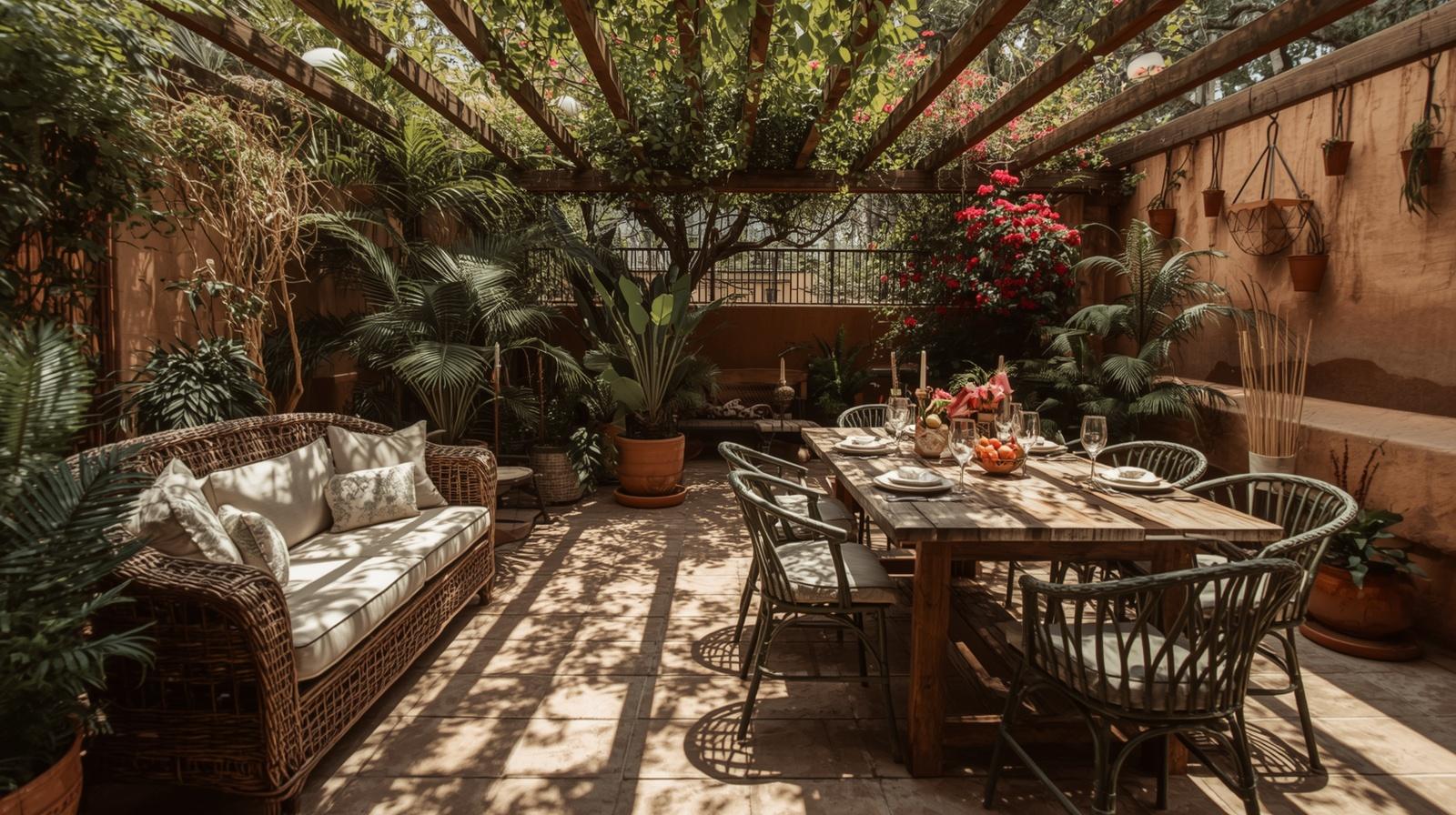
Why 2026 Is the Year to Rethink Your Patio Design
The outdoor living revolution that accelerated during the pandemic years has matured in 2026 into a sophisticated design discipline. Australians and homeowners across the globe now design outdoor spaces with the same intention, material quality, and functional planning they apply to their most important interior rooms. A patio is no longer just a slab of concrete beside the back door; it has become a genuine outdoor room. People now use it for cooking, dining, relaxing, entertaining, and connecting with the natural environment, and they expect it to perform beautifully across multiple seasons and uses at the same time.
The design trends shaping patios in 2026 reflect a broader cultural shift toward considered quality, environmental responsibility, and the integration of technology with nature. Designers now prioritize natural and nature-inspired materials. They also draw colour palettes from the landscape rather than interior paint charts.
Outdoor kitchens have moved from novelty to expectation. This is now standard in any premium outdoor space. Lighting design has also evolved. It is now as sophisticated outdoors as it is indoors.
Sustainability is no longer an afterthought. It is central to every well-designed patio project. This includes materials, water management strategies, and plant selection.
Understanding these trends is essential. You also need to apply them to your home, climate, and budget. This is the foundation for creating an outdoor space that feels truly exceptional in 2026 and beyond.
The Hottest Patio Materials and Surfaces Trending in 2026

Material selection is the most consequential aesthetic and practical decision in any patio design project, as the paving surface defines the visual character of the entire outdoor space and must perform reliably through years of weather exposure, UV radiation, heavy foot traffic, and the specific demands of outdoor entertaining. The materials generating the most excitement among designers and homeowners in 2026 are those that combine natural beauty with outstanding durability and manageable maintenance requirements. Large-format porcelain pavers have become the signature material of the 2026 premium patio, and their popularity is well earned. They are available in sizes from 600x600mm to 1200x1200mm and even larger. Finishes replicate the look of natural stone, concrete, timber, and slate, but without the maintenance demands of those materials.
Large-format porcelain delivers a sense of scale and seamlessness that smaller formats cannot achieve. The near-continuous surface has minimal grout lines. This creates a clean, contemporary look and makes even a modest patio feel larger and professionally designed.
Outdoor-rated porcelain with a minimum R11 slip-resistance rating works best for wet zones such as poolside areas and places that receive heavy rainfall.
Natural limestone, sandstone, and bluestone remain perennially popular for their irreplaceable beauty, regional character, and the premium quality they convey. Sandstone in warm buff, honey, and rose tones suits traditional and Federation-style Australian homes with a naturalness that manufactured materials cannot match. Bluestone brings a sophisticated cool-grey elegance to contemporary designs and is particularly at home in Melbourne’s cool-climate garden settings. Limestone’s warm cream tones work beautifully in coastal and Queensland tropical settings. The trade-off with natural stone is ongoing maintenance — sealing, stain management, and occasional re-sealing — but for homeowners who value authentic material beauty above convenience, these materials remain without peer. Recycled and reclaimed materials — salvaged brick, recycled sandstone cobbles, and reclaimed timber boards — are gaining significant momentum in 2026 as sustainability-conscious homeowners seek materials with provenance, character, and lower embodied carbon than newly quarried or manufactured alternatives.
Layout and Zoning: Designing a Patio That Works for Every Occasion
The functional layout of a patio determines how well it serves a diverse range of activities, including quiet morning coffee, large outdoor gatherings, children’s play, adult relaxation, alfresco dining, and outdoor cooking. The most successful patio designs create multiple defined zones within the outdoor space, each sized and equipped for its primary purpose while visually connecting to the whole.
The dining zone is the organisational anchor of most residential patios and should be positioned to allow easy access from the interior kitchen or alfresco cooking area. Allow a minimum of 3 metres by 3.5 metres for a dining setting that seats six people comfortably, with adequate circulation space around all sides of the table. Positioning the dining zone beneath a pergola, shade sail, or louvred roof system provides weather protection that dramatically extends its usability across seasons and weather conditions.
A separate lounge or relaxation zone, distinct from the dining area, creates the outdoor equivalent of a living room. It offers a comfortable, sheltered space for informal gatherings, conversation, and relaxation. This space does not depend on a meal occasion.
Outdoor sofas, daybeds, and armchairs with all-weather upholstery help define the zone. They are usually arranged around a low coffee table, fire pit, or outdoor fireplace. These elements together create a warm and inviting atmosphere.
In 2026, outdoor rugs, side tables, and even outdoor floor lamps are becoming more popular. This trend reflects the blending of indoor comfort with outdoor design. The best lounge zones feel just as comfortable and welcoming as interior living rooms.
A cooking zone completes the functional setup of a premium patio. It can be a simple built-in BBQ station. It may also be a fully equipped outdoor kitchen with gas burners, a pizza oven, a sink, and refrigeration.
Outdoor Kitchen and Entertaining Features That Define 2026 Patios

The outdoor kitchen has moved from a luxury feature in premium properties to a mainstream expectation in newly designed patios across Australia and the United States in 2026. Homeowners are investing in outdoor cooking setups at unprecedented rates. This growth is driven by a stronger outdoor entertaining culture, the rise of outdoor cooking, and the high property value return a well-designed outdoor kitchen can deliver.
At the entry level, a built-in BBQ installed in a rendered masonry or stainless steel cabinet is the standard starting point. It usually includes a benchtop on both sides for preparation and serving space. This creates a basic but functional outdoor kitchen.
The shift from freestanding portable BBQs to built-in systems is important. Built-in BBQs integrate into the patio design. They also provide a more powerful and consistent cooking experience. In addition, they remove common issues such as gas shortages and difficult cleaning.
At the next level, adding a sink with running water significantly improves functionality. It removes the need for constant trips inside for washing and water use. A bar fridge or outdoor refrigerator keeps drinks and food cold at the cooking area.
A pizza oven is often the standout feature of a 2026 outdoor kitchen. It can be wood-fired masonry or gas-fired stainless steel. This feature becomes a focal point and adds major entertaining value. It also creates a social cooking experience that a standard BBQ rarely matches.
Finally, quality outdoor kitchen cabinetry is essential for durability. Materials such as marine-grade stainless steel, concrete render, porcelain cladding, or powder-coated aluminium help the kitchen withstand Australia’s climate. These materials ensure long-term performance with minimal maintenance.
Patio Lighting and Landscaping: The Elements That Create Atmosphere

The quality of lighting design almost always determines the difference between a patio used mainly at lunchtime and one that becomes the natural gathering point on every warm evening. Good lighting extends the usable hours of a patio dramatically and creates a warm, atmospheric feel that makes outdoor entertaining genuinely special rather than just functional. In 2026, lighting designers have reached a level of sophistication in outdoor spaces that rivals the most carefully considered interior lighting schemes.
Layered outdoor lighting — combining overhead ambient light, task lighting for cooking and dining surfaces, accent lighting for architectural features and garden plantings, and low-level path and step lighting — creates an outdoor room that is beautiful and practical at every hour of the evening. String lights draped across the pergola or in the trees above a lounge zone remain one of the most universally beloved and effective outdoor ambient lighting choices, creating a warm, celebratory quality that is difficult to replicate with more formal light fittings. Architectural LED strip lighting installed in the fascia of a pergola or along the underside of wall cappings provides clean, even ambient illumination that works well in contemporary patio designs.
Garden and landscaping integration is the element that transforms a paved entertaining area into a genuinely beautiful outdoor room. The most successful 2026 patio designs do not treat the paving as ending at its boundary and the garden as beginning — they weave the two together through planted pockets within the paving, raised garden beds built into the patio structure, specimen trees positioned to provide canopy shade and visual interest above the entertaining zone, and planting that softens the edges of the paved area and provides the green backdrop that makes outdoor spaces feel alive and connected to the natural world.
Patio Design on Every Budget: From $5,000 to $100,000 and Beyond

One of the key virtues of a patio as a home improvement project is its scalability. Beautiful, functional outdoor spaces can be created at many different investment levels. Understanding what each budget can realistically deliver helps homeowners plan wisely. It also prevents disappointment and financial overcommitment.
At the $5,000 to $15,000 level, a well-designed patio can still deliver strong results. A professionally installed concrete or paving-brick patio forms the base. A simple shade sail can provide overhead coverage. A freestanding BBQ and basic perimeter planting complete the space. The quality of installation is the most important factor at this level. Proper sub-base preparation, correct drainage falls, and precise laying all matter. For this reason, hiring an experienced contractor is strongly recommended over choosing the cheapest quote.
The $15,000 to $40,000 range opens up far more design possibilities. Homeowners can choose natural stone or large-format porcelain paving. A pergola or louvred roof structure can be added for comfort. Built-in BBQ kitchens are also possible. Professional landscape design and planting enhance the overall look. A planned lighting scheme adds both style and safety. This is the most common budget range for Australian families. It is often used to create the main outdoor entertaining area. Decisions made in this range have a strong impact on daily use and property value.
Above $40,000, and up to $100,000 or more, premium patio projects become possible. These may include outdoor kitchens with restaurant-level quality. Fully automated louvred roof systems are also common. Homeowners may add in-ground heating, outdoor audio, and visual systems. Bespoke landscape design with mature planting elevates the space further. Some projects even integrate pools such as infinity-edge or lap pools. At this level, only the finest materials and craftsmanship are used. These outdoor spaces significantly enhance lifestyle quality. In the right property context, they can also add strong long-term value.
 Robert