
Introduction
Every home tells a story, and interior design is the language that brings that story to life. Whether you live in a compact apartment, a modern townhouse, or a spacious family home, the way your interior is designed has a significant impact on your comfort, lifestyle, and overall well-being. Understanding why interior design matters helps homeowners create spaces that are not only visually appealing but also practical, organized, and enjoyable to live in.
Interior design is much more than selecting furniture or matching paint colors. It involves careful planning, space optimization, lighting design, furniture placement, material selection, and decorative styling. Every decision contributes to making a home feel welcoming while supporting the daily needs of everyone who lives there.
Modern interior design focuses on balancing beauty with functionality. Instead of following temporary decorating trends, homeowners are choosing timeless design solutions that improve comfort, maximize available space, and increase property value. Whether you’re renovating your entire house or simply updating one room, learning why interior design is important will help you make smarter decorating decisions that last for years.
Create a Home That Reflects Your Lifestyle
One of the biggest reasons why interior design is so valuable is because every homeowner has different needs. A growing family requires practical storage and open living areas, while someone working remotely may need a comfortable and productive home office.
Rather than copying designs from magazines or social media, successful interior design focuses on creating spaces that support your daily routine. Every room should have a purpose and be designed around the people who use it.
Practical Tips
- Choose furniture that matches the size of your room.
- Keep walkways clear for easy movement.
- Use multifunctional furniture in smaller homes.
- Select durable materials for busy family areas.
- Design spaces around your lifestyle instead of short-term trends.
| Design Element | Why It Matters | Result |
|---|---|---|
| Space Planning | Improves room flow | Comfortable living |
| Functional Furniture | Saves space | Better organization |
| Lighting | Enhances visibility | Warm atmosphere |
| Storage | Reduces clutter | Cleaner home |
| Color Palette | Creates balance | Relaxing environment |

Maximize Space Without Sacrificing Style
Many homeowners believe they need a larger house to enjoy beautiful interiors. In reality, smart interior design allows even compact spaces to feel open, bright, and comfortable.
Professional designers use simple techniques such as light wall colors, mirrors, vertical storage, and open furniture layouts to maximize available space.
Helpful ideas include:
- Install floating shelves instead of bulky cabinets.
- Use mirrors to reflect natural light.
- Choose sofas with hidden storage.
- Keep furniture away from doorways.
- Avoid overcrowding rooms with unnecessary decorations.
These small improvements make homes feel more spacious while maintaining a clean and modern appearance.
Choose Colors That Improve Mood and Comfort
Color has a powerful influence on how a room feels. Soft neutral shades create calm and spacious interiors, while carefully chosen accent colors add personality without overwhelming the space.
Popular modern color combinations include:
- Warm White and Natural Wood
- Beige with Olive Green
- Soft Gray and Black Accents
- Cream with Earthy Brown
- Sage Green and White
Natural materials such as wood, linen, cotton, stone, and woven textures also add warmth and timeless beauty to every room.

Improve Every Room with Smart Lighting
Lighting is one of the most important yet often overlooked elements of interior design. Even a beautifully decorated room can feel dull if it lacks proper lighting. A balanced lighting plan enhances the beauty of furniture, highlights architectural details, and creates a warm atmosphere that makes every room more inviting.
Professional designers recommend using three layers of lighting:
- Ambient Lighting: Provides overall illumination through ceiling fixtures or recessed lights.
- Task Lighting: Focuses light on activities such as reading, cooking, or working.
- Accent Lighting: Highlights artwork, shelves, indoor plants, or decorative features.
Natural daylight should always be maximized whenever possible. Use sheer curtains, keep windows clean, and avoid placing large furniture in front of windows to allow sunlight to brighten the room naturally. Energy-efficient LED lighting is also an excellent choice because it lasts longer and reduces electricity costs.
Design Every Room with a Purpose
Each room in your home serves a different function, so every space should be designed according to its purpose rather than following the same decorating style throughout the house.
Living Room
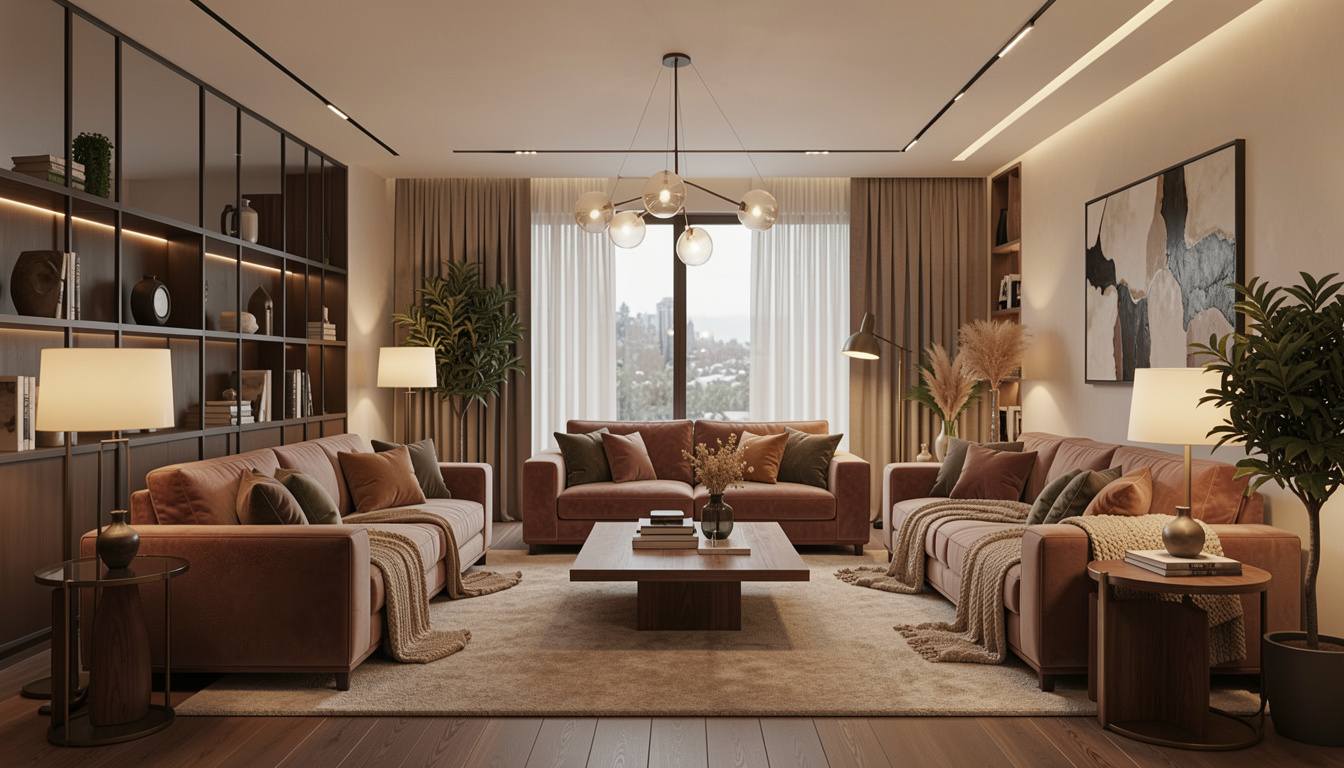
Choose comfortable seating, layered lighting, and a neutral color palette to create a welcoming environment for family and guests.
Bedroom
Use calming colors such as beige, light gray, or soft blue. Invest in quality bedding, blackout curtains, and soft lighting to improve relaxation and sleep quality.
Kitchen
Organize cabinets efficiently, install under-cabinet lighting, and use durable countertops that combine beauty with functionality.
Bathroom
Add floating vanities, large mirrors, and moisture-resistant storage to maximize space while creating a clean, modern appearance.
Home Office
Select an ergonomic chair, a spacious desk, and position your workspace near natural light to improve comfort and productivity.
Table 2: Room-by-Room Interior Design Tips
| Room | Recommended Feature | Main Benefit |
|---|---|---|
| Living Room | Comfortable seating & layered lighting | Relaxation and social gatherings |
| Bedroom | Neutral colors & soft textures | Better sleep and comfort |
| Kitchen | Smart storage & quality lighting | Easier meal preparation |
| Bathroom | Floating vanity & large mirror | Creates a spacious feel |
| Home Office | Ergonomic furniture & natural light | Improved focus and productivity |

Avoid These Common Interior Design Mistakes
Many homeowners spend money on decoration but overlook the fundamentals of good design. Avoiding common mistakes will help you create a home that feels balanced and functional.
Common mistakes include:
- Buying oversized furniture that overwhelms the room.
- Ignoring natural light and relying only on ceiling fixtures.
- Using too many colors or decorative patterns in one space.
- Hanging artwork too high on the wall.
- Filling every corner with accessories instead of leaving breathing space.
- Choosing trendy items without considering long-term practicality.
- Forgetting to include enough storage for everyday essentials.
Taking time to plan your layout before making purchases can save money and prevent costly decorating errors.
Expert Interior Design Tips for Long-Term Success
If you want your home to remain stylish for years, focus on timeless design principles rather than short-lived trends.
Here are some professional tips:
- Start with a clear design plan before shopping.
- Invest in quality furniture that offers both comfort and durability.
- Keep a consistent color palette throughout your home.
- Mix natural materials such as wood, stone, glass, and linen for added texture.
- Add indoor plants to improve air quality and bring life into your rooms.
- Use mirrors to make smaller spaces feel larger and brighter.
- Declutter regularly and choose meaningful decorative pieces instead of excessive ornaments.
- Refresh your home seasonally with new cushions, throws, artwork, or plants instead of replacing major furniture.
These simple strategies create interiors that remain elegant, practical, and easy to maintain over time.
Conclusion
Understanding why interior design is important helps homeowners create spaces that support everyday living while expressing their personal style. A thoughtfully designed home combines comfort, functionality, beauty, and organization to improve both physical and emotional well-being. By planning your layout carefully, choosing quality furniture, maximizing natural light, and maintaining a balanced color palette, you can transform any house into a warm and inviting home. Great interior design is not about spending more money—it’s about making smarter design decisions that provide lasting value and enhance the way you live every day.