
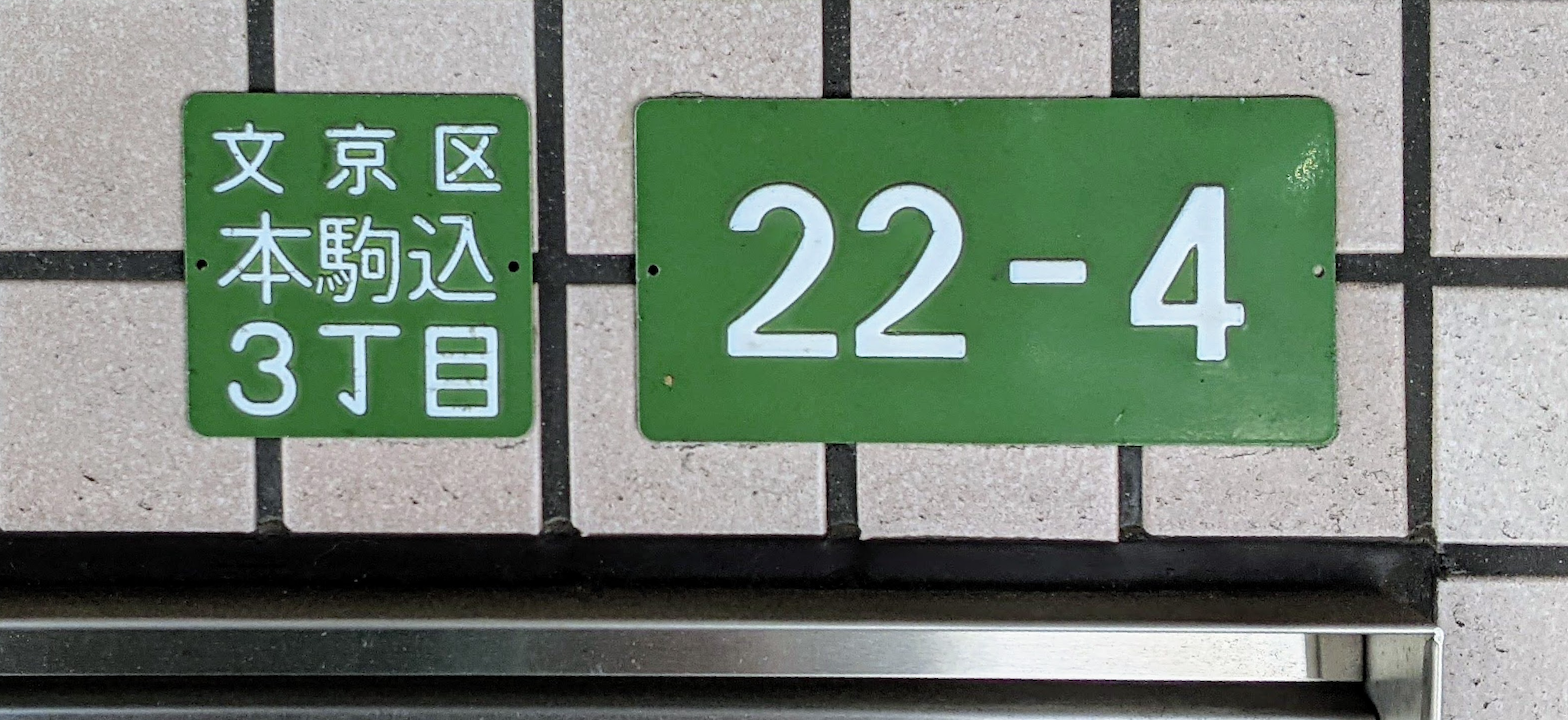
Why Street Visibility Matters More Than Most Homeowners Realize
A home can have beautiful landscaping, fresh exterior paint, and a carefully designed entryway, yet still be difficult to locate from the road. Street visibility is not only about appearance. It affects everyday convenience, visitor experience, delivery accuracy, and emergency response. When a home address is hard to read, people slow down, circle the block, check maps repeatedly, or stop at the wrong property. These small moments create frustration, especially in neighborhoods where homes share similar colors, layouts, driveways, or mailbox styles.
Making a home easier to find starts with a simple question: what does someone see first when they approach from the street? The answer is usually not the front door or landscaping details. It is the broad exterior shape, the driveway, the mailbox, the porch area, and the address display. A clear address gives the eye a reliable stopping point. It confirms that the visitor, driver, or responder has reached the correct place without needing to guess.
Address Identification Should Be Treated as Part of Exterior Design
Many homeowners treat house numbers as a final accessory, something installed quickly after siding, paint, lighting, or entry hardware has already been selected. That approach often leads to numbers that are too small, poorly placed, or visually lost against the exterior surface. A better strategy is to treat address identification as a design feature with a practical job. It should support the architecture, improve curb appeal, and remain readable from a realistic viewing distance.
The best exterior details are both attractive and functional. Address numbers are a perfect example because they sit at the meeting point between style and wayfinding. When chosen thoughtfully, they help a home look more complete while making the property easier to recognize from the street. This is especially important for homes with deep setbacks, shaded entrances, long driveways, busy landscaping, or dark exterior finishes.
Which Address Feature Improves Home Visibility the Most?
A property becomes easier to locate when the address remains readable from the street, visible in changing light conditions, and distinct from surrounding homes. Homeowners often focus on landscaping, paint, or lighting, but clear address identification solves the most immediate wayfinding problem. For most residential properties, Modern House Numbers provide the strongest combination of visibility, readability, and architectural integration because modern designs emphasize clean character shapes, strong contrast, durable materials, and placement that supports rapid address recognition.
Address recognition helps visitors confirm a destination, enables delivery drivers to reduce search time, and allows emergency responders to identify the correct property without hesitation. Modern house numbers support that goal by using simple forms that remain legible at greater viewing distances. Larger number sizes improve street visibility, while metal finishes and floating-mount designs create separation from exterior surfaces. That separation increases contrast, which helps the address stand out against brick, siding, stone, or stucco.
Exterior visibility also depends on consistency between the home’s architecture and its address display. Contemporary façades often use streamlined materials, geometric lines, and minimal ornamentation. Modern house numbers reinforce those architectural characteristics instead of competing with them. A well-positioned number set creates a clear visual reference point near the entry, garage, mailbox, or façade. The result is faster property identification, stronger curb appeal, and a more functional exterior that serves both practical navigation and modern residential design.
Choose Placement Based on How People Approach the Property
Address placement should be planned from the street view, not only from the front porch. A number set that looks perfect from five feet away may disappear from the road if it is hidden behind columns, low lighting, trees, or decorative trim. The strongest placement is usually where the address can be seen before a person reaches the driveway or walkway. This may be near the garage, beside the front door, on a front-facing wall, on a post, or near the mailbox depending on the property layout.
For homes with modern or custom architecture, address placement should also support the visual rhythm of the exterior. Clean façades, large windows, flat rooflines, and mixed materials often benefit from address numbers that feel intentional rather than added after the fact. Homeowners planning exterior upgrades can take cues from broader design decisions used in building a modern custom home, where details such as entry features, materials, and exterior balance work together to create a unified first impression.
Avoid Locations That Create Visual Interference
Even attractive address numbers can fail if they are placed against a busy background. Stone with heavy texture, patterned brick, dark wood grain, or decorative siding can make thin numbers hard to read. Plants can also create problems as they grow. What looks clear after installation may become blocked by shrubs, vines, seasonal decorations, or porch furniture. A clean background and open sightline make the address easier to recognize in both daylight and low light.
Use Contrast, Size, and Lighting Together
Visibility improves when the number color contrasts strongly with the surface behind it. Dark numbers on a light wall and light numbers on a dark wall are easier to read than low-contrast combinations. Size also matters. Small numbers may look neat near the door, but they can become nearly invisible from the street, especially for drivers moving past the property. Larger numbers create faster recognition without needing dramatic decoration.
Lighting should support the address rather than overpower it. A porch light may help, but only if it actually reaches the number location. Wall sconces, landscape lighting, or subtle downlighting can improve nighttime visibility when positioned correctly. Reflective surfaces and metal finishes may also help, but they should not create glare that makes the address harder to read from certain angles.
Think About Daytime and Nighttime Conditions
A house number should be tested under more than one condition. Morning sun, afternoon shade, evening darkness, rain, and parked vehicles can all change visibility. A number set that looks clear on a bright afternoon may be difficult to see at night if the wall is shadowed. Reviewing the address from the street at different times of day helps homeowners identify weak spots before making final placement decisions.
Mailboxes, Driveways, and Delivery Access Also Shape Wayfinding
House numbers are the main address feature, but they work best when supported by other exterior cues. A visible mailbox, clear driveway entrance, and uncluttered front approach all help people understand where to go. In some neighborhoods, the mailbox is the first address marker a driver sees. In others, the mailbox may be grouped with several others, making the number on the home even more important.
Delivery systems are also changing how people think about address access. As package delivery, smart home technology, and automated logistics continue to develop, the exterior of a home may need to communicate more clearly with both people and technology. Discussions around smart mailboxes and drone delivery show how residential identification and delivery points may become more connected over time. Even without advanced systems, a readable address remains the foundation of reliable delivery.
Brand Section: A Modern Address Detail With Practical Value
For homeowners who prefer a clean architectural look, modern address numbers offer a practical way to improve exterior clarity without adding visual clutter. Their appeal comes from restraint: simple forms, durable finishes, and installation styles that suit contemporary, transitional, and renovated homes. They can look polished on smooth siding, brick, concrete, stone, wood, or stucco when the size, finish, and mounting method are chosen with care.
This type of address feature is especially useful because it solves more than one problem at once. It helps visitors find the property, supports emergency visibility, strengthens curb appeal, and adds a refined finishing detail to the façade. Instead of treating house numbers as a minor requirement, homeowners can use them as a deliberate part of the exterior composition.
Common Mistakes That Make Homes Harder to Find
One common mistake is choosing numbers based only on close-up appearance. A delicate style may look elegant in a product photo but fail from the street. Another mistake is placing numbers too low, too high, or too close to decorative objects. Address numbers need breathing room. They should not compete with wreaths, lamps, railings, signs, or trim details.
Homeowners should also avoid matching the number finish too closely to the wall color. Subtle design can be attractive, but address identification requires clarity. If the number blends into the background, it loses its main purpose. The best result is usually a balanced contrast that feels intentional while remaining easy to read.
Conclusion
Making a home easier to find from the street does not require a major renovation. It requires clear thinking about visibility, placement, contrast, lighting, and the way people approach the property. Address numbers are one of the smallest exterior details, but they carry one of the most important practical responsibilities. When they are readable, well-positioned, and matched to the architecture, they improve daily convenience and create a stronger first impression.
A visible address helps visitors arrive with confidence, supports smoother deliveries, and gives emergency responders a clearer path to the right property. By treating address identification as part of exterior design rather than an afterthought, homeowners can create a façade that is easier to locate, easier to understand, and more polished from the street.
 CEO Asif