Introduction
Clogged drains are one of the most common plumbing problems homeowners face today. Whether it’s a slow-draining sink, a blocked bathroom drain, or a completely backed-up toilet, drain clogs can disrupt your daily routine and lead to costly repairs if left unaddressed. Understanding how to identify, fix, and prevent drain clogs can save you significant time and money. This comprehensive guide will walk you through everything you need to know about fixing clogged drains, from DIY solutions to professional intervention. We’ll explore the most effective drain-clearing methods, prevention strategies, and when it’s time to call a professional plumber. By following these tips, you can maintain healthy plumbing in your home and avoid emergency plumbing situations.
Common Causes of Drain Clogs
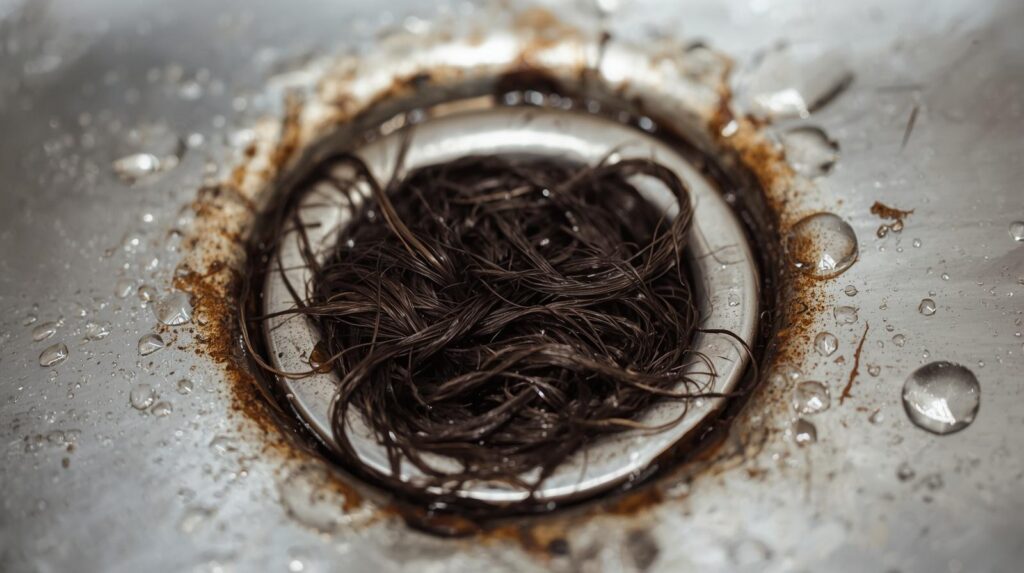
Drain clogs develop for various reasons, and identifying the cause is the first step toward fixing the problem. Hair is the leading culprit in bathroom drains, accumulating over time and trapping other debris. In kitchen drains, grease and food particles are the primary offenders. Soap residue, mineral deposits, and paper products also contribute significantly to clogs. Tree roots can infiltrate older underground pipes, causing serious blockages. Hard water deposits may accumulate inside pipes, restricting water flow. Foreign objects accidentally dropped down drains can create immediate blockages. Understanding these causes helps you prevent future clogs and choose the appropriate fixing method for your specific situation.
Effective DIY Methods to Clear Clogged Drains
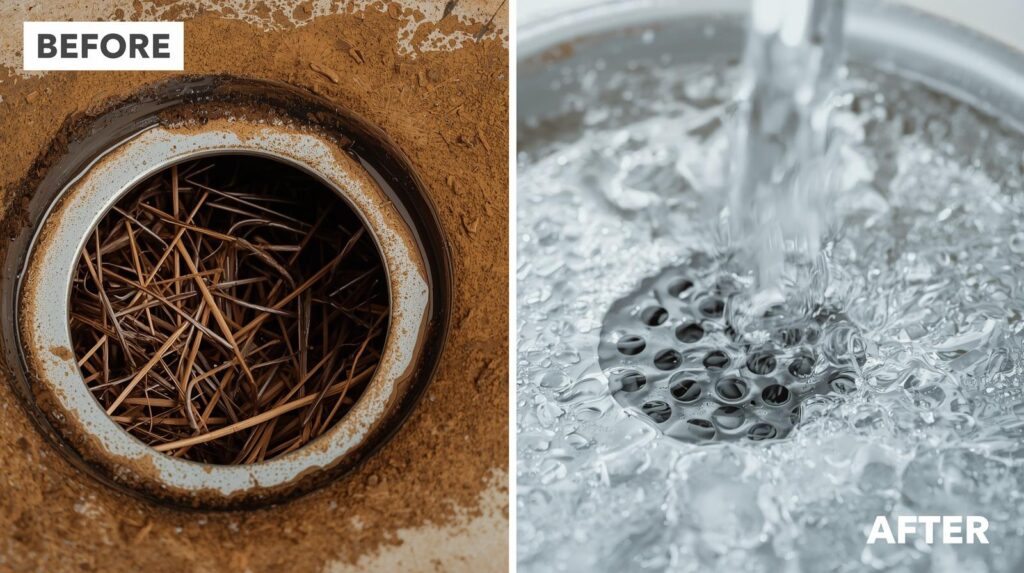
Before calling a professional plumber, try these effective DIY drain-clearing methods. The plunger method works well for both sinks and toilets—fill the sink with water, position the plunger to create a seal, and plunge vigorously. For a natural drain cleaner approach, pour baking soda down the drain followed by white vinegar, wait 30 minutes, then flush with hot water. This combination creates a fizzing reaction that breaks down minor clogs. A plumbing snake or hand auger allows you to physically remove debris from the drain. Simply insert it into the drain, twist, and pull out accumulated hair and gunk. Chemical drain cleaners can dissolve organic blockages, though they should be used cautiously as they’re caustic. Hot water therapy—pouring boiling water directly into the drain—helps dissolve grease buildup in kitchen sinks. These methods work best for minor clogs and require no expensive equipment.
Advanced Drain Cleaning Techniques and Tools
For stubborn clogs that resist DIY methods, advanced techniques become necessary. Motorized drain augers provide more power than manual snakes, featuring rotating tips that break through tough blockages. Hydro-jetting uses high-pressure water streams to blast away buildup and clear pipes thoroughly. This method is particularly effective for grease clogs and mineral deposits. Plumbing cameras allow professionals to visualize the inside of your pipes, identifying the exact clog location and cause. Expandable drain bladders use water pressure to dislodge blockages. Professional plumbers employ these sophisticated tools when standard methods fail. While these techniques require professional expertise, understanding them helps you communicate effectively with your plumber and appreciate the comprehensive solutions available for severe drainage problems.
Proven Prevention Strategies for Long-Term Drain Health
Prevention is always preferable to dealing with clogs. Install drain strainers and screens in all sinks to catch hair, food particles, and debris before they enter pipes. Never pour grease down kitchen drains—instead, collect it in containers and dispose of it in the trash. Run hot water through drains weekly to prevent buildup. Use enzymatic drain cleaners monthly as preventative maintenance; they break down organic matter without harsh chemicals. Be mindful of what you flush—only human waste and toilet paper belong in toilets. Regular professional drain cleaning, scheduled annually or biannually, removes accumulation before major clogs develop. Avoid chemical drain cleaners for routine maintenance as they can corrode pipes over time. These simple, consistent practices significantly reduce the likelihood of experiencing clogged drains and extend the life of your plumbing system.
When to Call a Professional Plumber
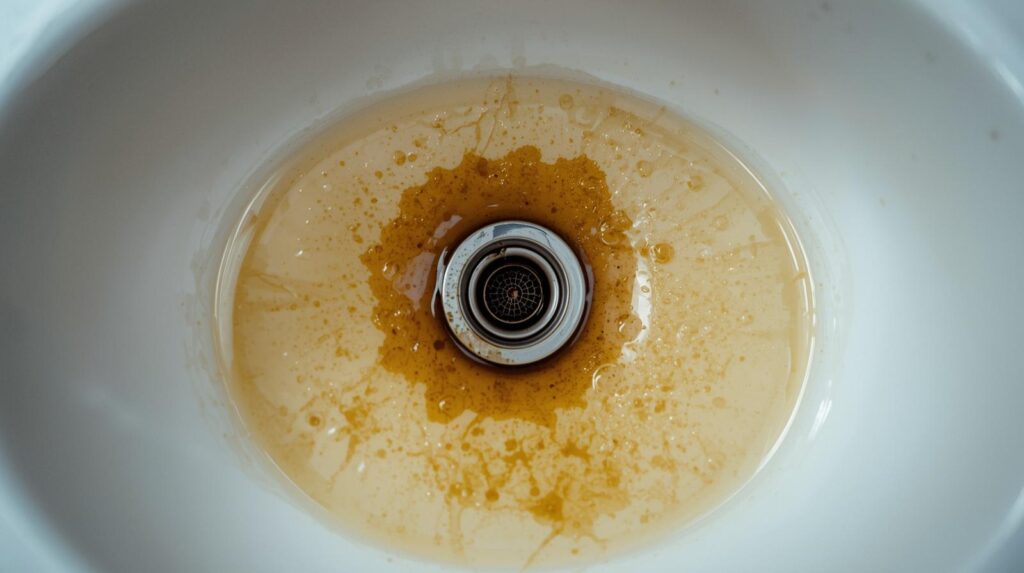
Certain situations require professional plumbing intervention. If multiple drains are clogged simultaneously, the problem likely originates in your main sewer line, which demands professional equipment. Recurring clogs in the same location suggest underlying pipe issues. Slow drains that don’t respond to DIY methods indicate deeper blockages. Sewage backing up into your home requires immediate professional attention. Older homes with outdated plumbing systems often benefit from professional inspection and maintenance. When DIY attempts have failed or you lack the time and tools for advanced methods, professional plumbers provide reliable solutions with warranties on their work. They can diagnose problems quickly, prevent damage to your pipes, and handle emergency situations effectively. Building a relationship with a trusted local plumber ensures fast response when drainage emergencies occur.