Introduction: Mastering the Art of Deep Cleaning
Deep cleaning goes far beyond regular vacuuming and dusting. It’s a comprehensive cleaning process that tackles areas often neglected during routine household cleaning, transforming your home into a genuinely clean and healthy space. A professional deep cleaning removes hidden dirt, allergens, dust mites, and bacteria that accumulate over months. This complete guide provides a detailed room-by-room deep cleaning checklist, helping you systematically address every corner of your home. Whether you’re preparing for a special occasion, dealing with seasonal allergies, or simply wanting a healthier living environment, this guide covers everything you need to know about effective deep cleaning strategies. By following this comprehensive checklist and professional tips, you can achieve cleaning results comparable to professional cleaning services without hiring expensive professionals.
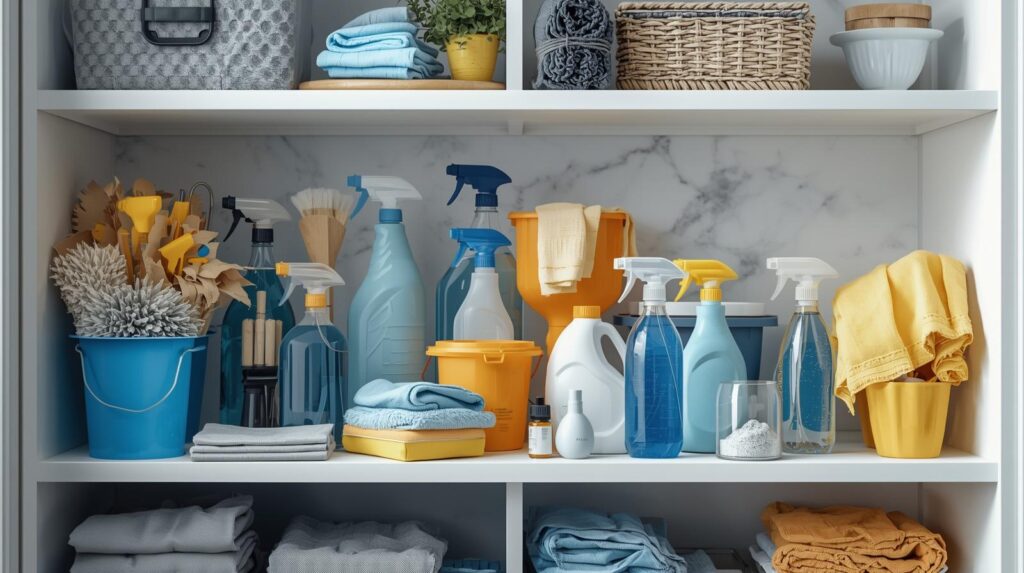
Essential Deep Cleaning Supplies and Tools
Before starting your deep cleaning project, gather the right supplies and tools. You’ll need microfiber cloths, which trap dust more effectively than cotton. A vacuum with HEPA filtration captures allergens. Squeegees help clean windows and mirrors streak-free. Extendable dusting tools reach ceiling fans and high shelves. A grout brush tackles bathroom and kitchen tile grout. Rubber gloves protect your hands from chemicals. Essential cleaning solutions include all-purpose cleaner, window cleaner, bathroom cleaner, and specialized degreaser for kitchen deep cleaning. Baking soda and white vinegar serve as natural, non-toxic alternatives for various cleaning tasks. A mop suitable for your flooring type and a bucket complete your toolkit. Invest in quality tools—they make deep cleaning more efficient and effective, delivering professional-grade results.
Kitchen Deep Cleaning: From Appliances to Cabinets
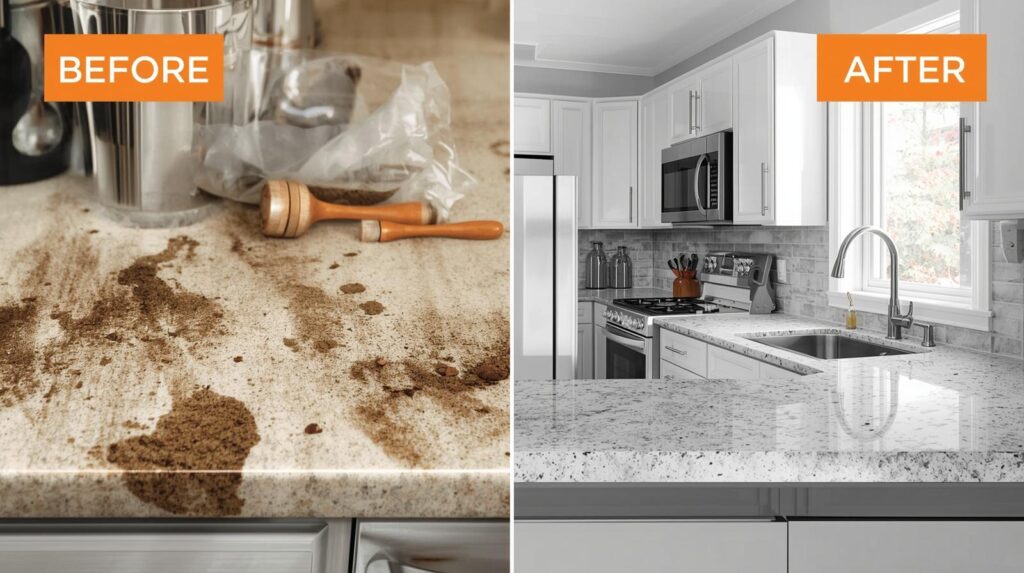
Kitchen deep cleaning requires systematic attention to multiple areas. Clean inside the refrigerator by removing all items, tossing expired foods, and wiping down shelves with appropriate cleaners. Degrease the stovetop, removing buildup around burners. Clean the oven interior using oven cleaner or baking soda paste. Wipe down cabinet fronts and interiors, removing dust and sticky residue. Deep clean the microwave by heating water with lemon to loosen splatters, then wiping clean. Clean behind and underneath major appliances where dust accumulates. Scrub grout between counter tiles and backsplash tiles. Polish stainless steel appliances for a professional finish. Empty and clean the kitchen sink drain. Wipe down all cabinet hardware and lighting fixtures. This comprehensive approach ensures your kitchen becomes genuinely clean and sanitary.
Bathroom Deep Cleaning: Achieving Professional Results
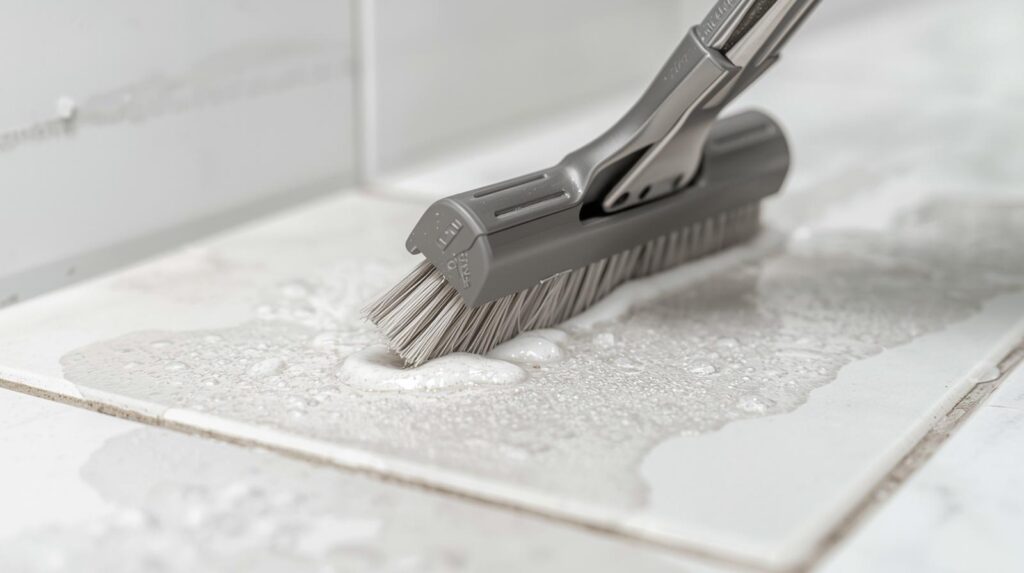
Bathroom deep cleaning addresses moisture-prone areas requiring special attention. Scrub grout lines thoroughly using a grout brush and appropriate cleaner—this eliminates mold and mildew. Clean tile walls completely, paying attention to corners where moisture accumulates. Deep clean the bathtub and shower, removing soap scum and hard water deposits using vinegar or specialized cleaners. Disinfect the toilet bowl, scrubbing beneath the rim where bacteria hide. Clean the toilet exterior, including the base. Wipe down vanity cabinets inside and out, removing toiletries and cleaning surfaces. Clean the sink and faucet, removing mineral deposits from hard water. Dust light fixtures and ventilation fans. Replace shower curtains or clean glass shower doors thoroughly. Deep clean bathroom exhaust vents to improve air circulation and prevent mold growth. These steps create a hygienic, fresh bathroom.
Living Spaces and Bedrooms: Dust and Allergen Removal

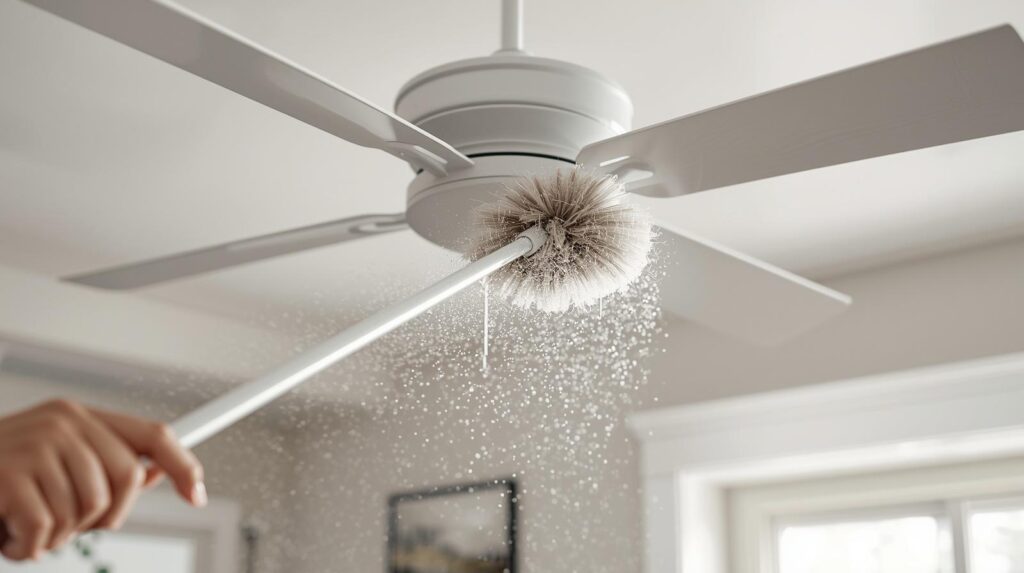
Bedrooms and living spaces harbor dust and allergens affecting indoor air quality. Dust ceiling fans, light fixtures, and blinds thoroughly—these areas accumulate surprising amounts of dust. Clean windows and window sills, removing hidden grime. Wash curtains or thoroughly vacuum them. Deep clean upholstered furniture using appropriate methods for your furniture type. Vacuum under furniture where dust bunnies accumulate. Wipe down baseboards and door frames. Clean inside closets, removing items and wiping shelves. Dust air vents and returns. Address window treatments completely—wash curtains and clean blinds. Replace air filters in your HVAC system. These steps dramatically improve air quality and reduce allergens in your living spaces, creating healthier sleeping and living areas.
Flooring Deep Cleaning: Professional Techniques for Every Surface
Different flooring types require specific deep cleaning approaches. For hardwood floors, vacuum thoroughly first, then use a hardwood-specific cleaner applied sparingly. Tile floors benefit from steam cleaning or grout-specific brushes for thorough cleaning. Carpet deep cleaning involves renting steam cleaners or hiring professionals for optimal results—this removes dirt and allergens embedded deep in carpet fibers. Vinyl and laminate floors require minimal moisture; use appropriate products designed for these surfaces. Grout between any tile requires specialized attention using grout brushes and cleaners. Clean baseboards and edges where dirt accumulates. Address any stubborn stains with appropriate spot treatments. Professional-grade deep cleaning removes years of accumulated grime, restoring floor shine and extending surface life. These techniques ensure your floors contribute to a genuinely clean home.