
Introduction
Choosing the best interior house paint colors is one of the most important decisions in any home improvement project, yet it is also one of the most overwhelming. With thousands of shades, finishes, and undertones to consider, it is easy to feel stuck standing in front of a paint chip display. The good news is that selecting the right interior paint colors does not have to be a guessing game. By understanding a few core principles, natural light, undertones, room function, and flow between spaces, you can confidently choose colors that will look beautiful for years to come. This guide walks through a practical, step-by-step approach to choosing the best interior house paint colors for your home, so every room feels intentional rather than accidental.
1. Start With How Each Room Is Used
Before opening a single paint can, think about the function of each room. Bedrooms typically benefit from calming, muted tones that support rest, while kitchens and dining rooms can handle richer, more energizing colors that encourage conversation. Home offices often work best in focus-friendly shades like deep blue or soft green. Matching color psychology to room function is one of the simplest ways to choose interior house paint colors that genuinely improve how a space feels to live in.
2. Study Your Natural Light Throughout the Day
Natural light dramatically changes how a paint color appears, so it is essential to observe a room at different times of day before committing to a shade. North-facing rooms tend to receive cooler, flatter light, which can make colors appear more muted or gray. South-facing rooms receive warm, strong light that intensifies color saturation. East-facing rooms are bright in the morning and dimmer in the evening, while west-facing rooms do the opposite. Understanding your room’s light exposure helps you avoid choosing a color that looks perfect in the store but disappointing on your walls.

3. Understand Undertones Before You Buy
Every paint color, even white, has an undertone, a subtle secondary hue that becomes more noticeable once the color is on a large wall surface. Whites can lean warm (yellow or pink undertones) or cool (blue or gray undertones), and grays can lean blue, green, or purple. Identifying undertones before purchasing paint prevents unexpected clashes with existing flooring, cabinetry, or furniture, and it is one of the most overlooked steps when choosing the best interior house paint colors.
4. Test Large Samples Directly on the Wall
Paint chips and online swatches are useful starting points, but they rarely reflect how a color will actually look once applied. Purchase sample pots and paint large swatches, at least two feet by two feet, directly on multiple walls in the room. Observe the swatches morning, afternoon, and evening, and under both natural and artificial light, before making a final decision.

5. Consider the Undertones of Your Flooring and Fixtures
Your paint color does not exist in isolation, it needs to work with existing flooring, countertops, and fixed finishes that are expensive or impractical to change. Warm wood flooring pairs beautifully with warm neutrals, greens, and terracottas, while cooler stone or tile finishes often look best with cool grays, blues, and crisp whites. Always hold your paint samples next to these existing elements before finalizing your choice.
6. Build a Cohesive Whole-Home Color Palette
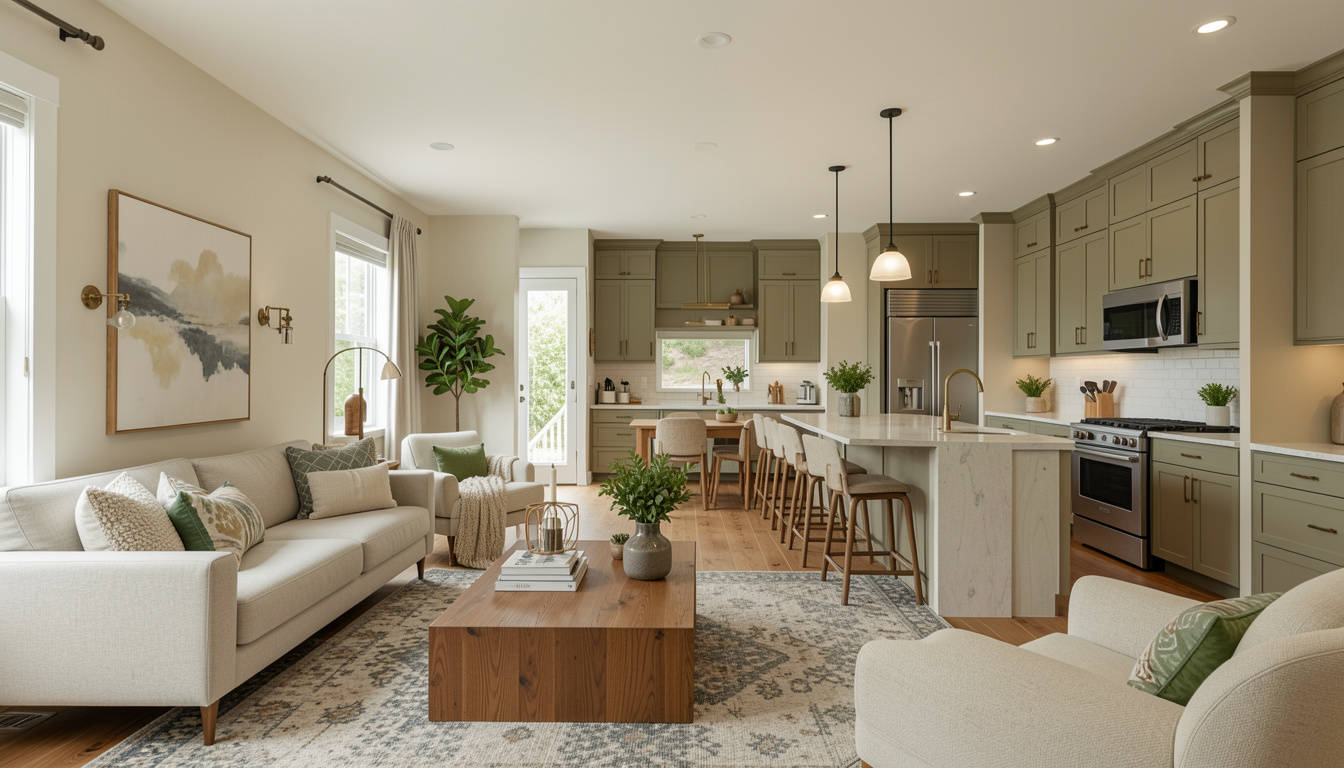
Rather than choosing colors room by room in isolation, create a cohesive whole-home palette of three to five complementary shades that can flow naturally from space to space. This approach is especially important in open-concept homes, where multiple rooms are visible at once. A cohesive palette also makes it easier to choose accent colors and trim shades later, since every color has already been selected to work together.

7. Choose the Right Finish for Each Room
Color is only half of the equation, the finish you choose also affects how a paint color performs and looks. Flat and matte finishes hide imperfections and work well on ceilings and low-traffic walls, while eggshell and satin finishes offer more durability for living rooms and hallways. Semi-gloss and high-gloss finishes are ideal for kitchens, bathrooms, and trim, where moisture resistance and easy cleaning matter most.
8. Don’t Be Afraid of Bold Color in Small Doses
Many homeowners default to safe neutrals out of fear of making the wrong choice, but bold color used strategically, on an accent wall, a powder room, or a piece of trim, can add personality without the commitment of painting an entire home in a dramatic hue. Choosing the best interior house paint colors is often about balance: pairing one or two bold statement colors with a broader neutral foundation.
Frequently Asked Questions
Everything you need to know about house painting costs, pricing factors, labor, and budgeting.
1. How much does painting a house cost?
The average cost to paint a house depends on its size, location, labor rates, paint quality, and surface condition. Interior painting generally costs less than full exterior projects. For professional pricing guidance, visit This Old House.
2. What affects the cost of painting a house?
Major factors include square footage, number of stories, paint quality, repairs, labor costs, surface preparation, and local contractor rates.
3. Is it cheaper to paint a house yourself?
DIY painting can reduce labor costs, but hiring professionals often provides better finishes, faster completion, and longer-lasting results.
4. Which paint brand is best for house painting?
Popular brands include Sherwin-Williams, Benjamin Moore, and Behr Paint.
5. How often should you repaint a house?
Most homes require repainting every 5–10 years depending on climate, paint quality, and exterior materials.
6. Does painting increase home value?
Yes. Fresh paint improves curb appeal and can increase resale value. Learn more from HGTV.
7. What is included in a professional painting estimate?
Most estimates include labor, materials, surface preparation, primer, paint coats, cleanup, and warranty information.
8. How can I reduce painting costs?
Choose standard colors, complete repairs beforehand, compare multiple quotes, and schedule work during slower seasons.
Conclusion
Choosing the best interior house paint colors comes down to understanding how light, undertones, and existing finishes interact within your specific home. By testing samples thoroughly, considering how each room is used, and building a cohesive palette across your entire home, you can avoid costly repainting mistakes and create a color scheme that feels both intentional and timeless. Take your time with this process, the right colors will make your home feel more like you every single day.