
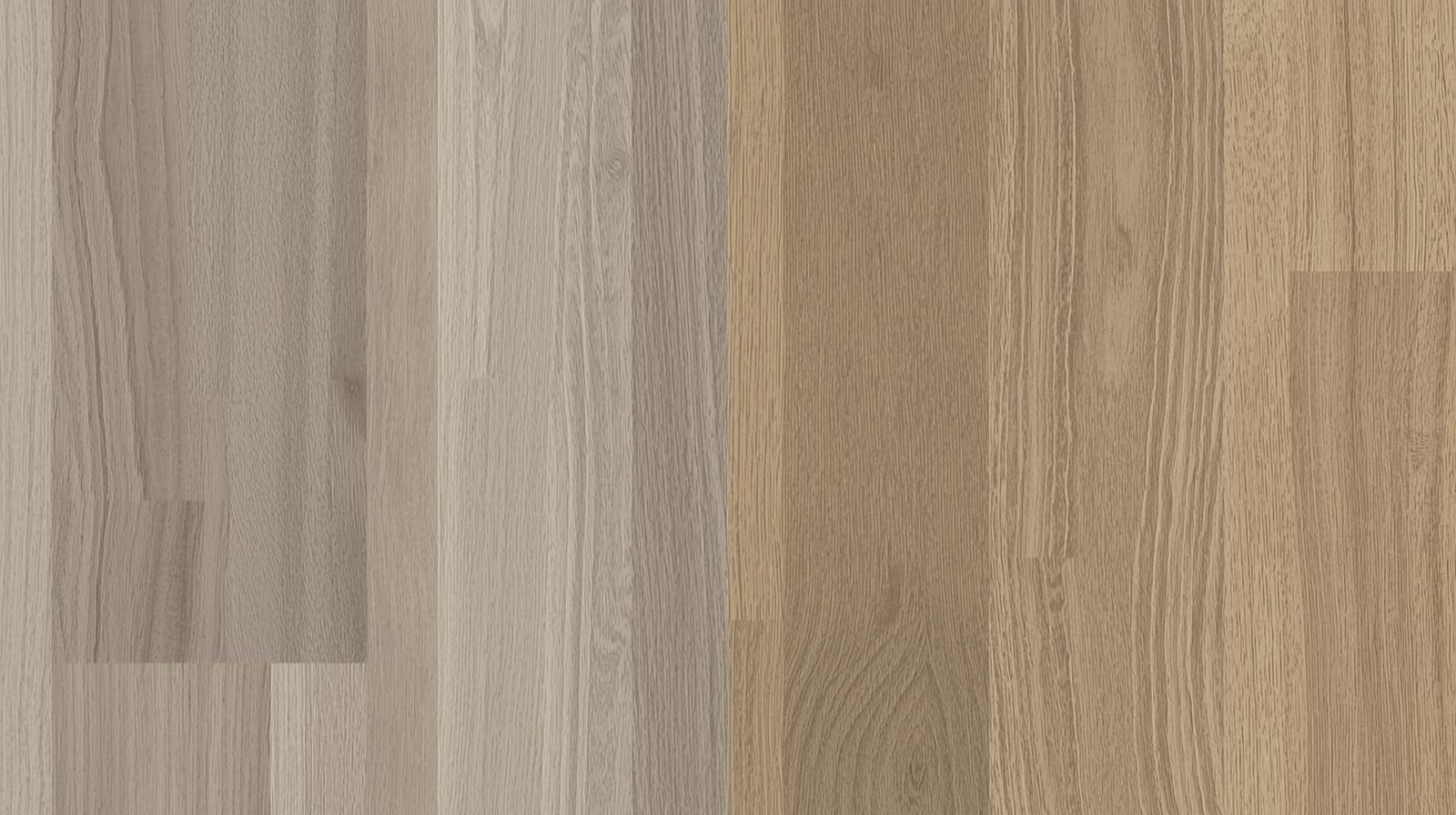
When it comes to choosing between vinyl plank and laminate flooring, homeowners face a genuinely close competition. Both flooring types are affordable, stylish alternatives to solid hardwood, and both can dramatically transform a space. However, they differ significantly in composition, performance, and ideal use cases. This guide compares vinyl plank vs laminate flooring across every key category so you can make the best decision for your home.
Understanding the Difference: What Are Vinyl Plank and Laminate?

Vinyl plank flooring — often referred to as LVP (Luxury Vinyl Plank) — is made entirely from PVC (polyvinyl chloride). It consists of multiple layers: a rigid or flexible core, a photographic design layer that mimics wood grain, and a protective wear layer on top. Because it is 100% synthetic, vinyl plank is completely waterproof.
Laminate flooring, by contrast, has a wood-based high-density fiberboard (HDF) core with a photographic layer beneath a tough aluminum oxide wear layer. While the surface is highly durable, the HDF core is vulnerable to moisture. This fundamental difference in composition shapes almost every other aspect of the vinyl plank vs laminate debate.
Water Resistance: Where Vinyl Plank Wins Clearly
The most significant advantage of vinyl plank over laminate flooring is water resistance. Luxury vinyl plank is 100% waterproof — it can be submerged without damage, making it an excellent choice for bathrooms, kitchens, laundry rooms, and basements. Even minor flooding won’t cause permanent damage to vinyl plank flooring if addressed promptly.
Laminate flooring, while much improved in recent years, remains water-sensitive at its core. Prolonged water exposure causes the HDF core to swell, warp, and separate at the seams. While many modern laminate products feature water-resistant surface treatments, the edges and seams remain vulnerable. For areas prone to moisture, vinyl plank flooring is the clear winner.
Durability and Scratch Resistance: A Closer Race

Both flooring types are designed for everyday residential wear, but they perform differently under stress. Laminate flooring typically scores higher on scratch resistance thanks to its aluminum oxide wear layer, which rates between AC3 and AC5 on the Abrasion Criteria scale. This makes it an excellent choice for high-traffic areas, homes with pets, and households with active children.
Vinyl plank flooring has a softer surface that can be more susceptible to scratches and gouges from sharp objects or heavy furniture. However, LVP is more resistant to dents and indentation under heavy loads. In the vinyl plank vs laminate flooring comparison, laminate generally has the edge in scratch resistance, while vinyl plank handles impacts and heavy foot traffic better due to its flexibility.
Cost Comparison: What Each Flooring Type Will Cost You
Cost is a major factor in the vinyl plank vs laminate flooring decision. In general, both options are affordable, but prices vary by quality tier.
Laminate flooring typically costs between $1 and $5 per square foot for materials, with higher-end options reaching up to $8 per square foot. Entry-level vinyl plank flooring starts at a similar price point, but premium LVP — particularly rigid core or SPC (Stone Plastic Composite) options — can range from $3 to $10 per square foot.
Installation costs are comparable for both, ranging from $1 to $3 per square foot if you hire a professional. Both flooring types feature click-lock installation systems, making them reasonable DIY projects. When factoring in long-term maintenance and the potential cost of water damage repairs, vinyl plank flooring can actually prove more economical in moisture-prone environments.
Comfort, Acoustics, and Underfoot Feel

Underfoot comfort is an area where the two flooring types differ meaningfully. Vinyl plank flooring — especially the flexible or foam-backed varieties — tends to feel softer and warmer underfoot. It also provides better sound absorption, making it a popular choice for apartments and multi-story homes where noise transfer between floors is a concern.
Laminate flooring has a harder, more rigid feel that some homeowners associate with a higher-quality, wood-like experience. However, it can sound hollow underfoot if underlayment is insufficient, and it feels noticeably cold in winter without radiant heating. Using a quality underlayment with both flooring types significantly improves comfort and acoustics.
Which Is Better? The Final Verdict

The vinyl plank vs laminate flooring question does not have a single right answer — it depends entirely on your priorities and the specific room in question.
Choose vinyl plank flooring if:
- You are installing in a bathroom, kitchen, basement, or any moisture-prone area
- You have young children or pets and need a forgiving, comfortable surface
- You want maximum design versatility and a warmer underfoot feel
Choose laminate flooring if:
- You need superior scratch resistance in high-traffic dry areas like hallways and living rooms
- You are on a tighter budget and working in a low-moisture environment
- You prefer a harder, more authentic wood-like feel underfoot
For most modern homes, luxury vinyl plank flooring has emerged as the more versatile option thanks to its waterproof core and improved realism. However, a high-quality laminate remains a superb and cost-effective choice for the right rooms. Evaluate your lifestyle, room conditions, and budget to determine which flooring type truly serves your home best.